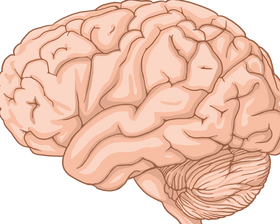
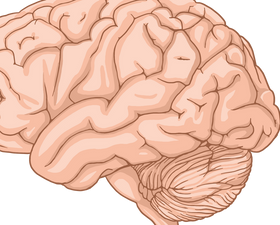
Neurological disorders can affect movement, memory, sensation, speech, sleep, behavior or consciousness and have many causes.
How It Works
Stroke occurs when blood flow is interrupted or a vessel bleeds. Sudden weakness, facial drooping, speech difficulty or other acute neurological symptoms require emergency medical attention.
Key Facts
Epilepsy involves recurrent unprovoked seizures. Neurodegenerative disorders such as Alzheimer's and Parkinson's involve progressive changes in nervous-system cells and circuits. Brain tumors and traumatic brain injuries create other clinical problems.
Why It Matters
Diagnosis may require history, neurological examination, imaging, laboratory tests or specialized studies because many symptoms have multiple possible causes.
Quick Answer
This topic is best understood as part of an interconnected nervous system. Current neuroscience supports specialized functions but also emphasizes communication among distributed brain networks.
FAQs
Is the brain made of independent parts?
No. Different regions have specialized roles, but complex functions normally depend on coordinated networks.
Can brain function change?
Yes. Development, learning, experience and some forms of injury can produce changes in neural circuits through neuroplasticity.
Sources
NCBI Bookshelf · NIH NICHD Neuroscience · BrainFacts
Brain Science Video
Watch a BrainFacts overview of human brain anatomy and neuroscience.