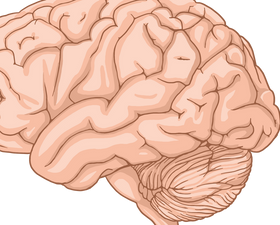
Neuroscience is advancing through brain imaging, electrophysiology, genetics, computational modeling and artificial intelligence.
How It Works
MRI, diffusion imaging and functional methods can reveal structure, connectivity and activity. Brain-computer interfaces aim to translate neural signals into commands for computers or assistive devices.
Key Facts
AI can analyze large neuroimaging and electrophysiological datasets, but results still depend on data quality, validation and careful interpretation.
Why It Matters
As neural data become more informative, privacy, consent, data ownership and appropriate use become increasingly important. The brain remains too complex for any single technology to explain completely.
Quick Answer
This topic is best understood as part of an interconnected nervous system. Current neuroscience supports specialized functions but also emphasizes communication among distributed brain networks.
FAQs
Is the brain made of independent parts?
No. Different regions have specialized roles, but complex functions normally depend on coordinated networks.
Can brain function change?
Yes. Development, learning, experience and some forms of injury can produce changes in neural circuits through neuroplasticity.
Sources
NCBI Bookshelf · NIH NICHD Neuroscience · BrainFacts
Brain Science Video
Watch a BrainFacts overview of human brain anatomy and neuroscience.