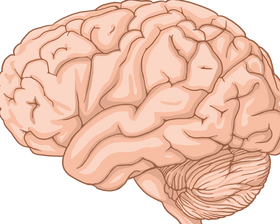
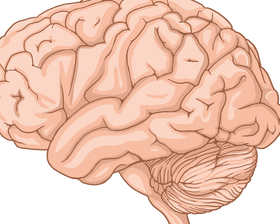
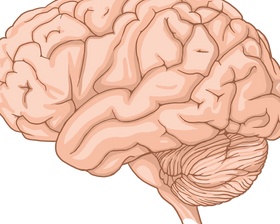
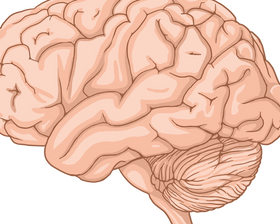
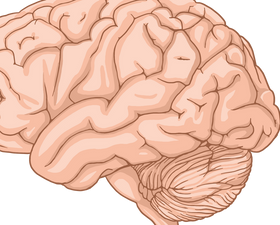
The human brain changes continuously from prenatal development through childhood, adolescence and adulthood. Development reflects interactions among genes, biological signals and experience.
How It Works
Early development includes rapid formation of neurons and connections followed by periods of refinement. Childhood and adolescence bring major changes in networks supporting learning, emotion, self-control and social behavior.
Key Science
Brain maturation continues after birth, while aging also brings structural and functional changes that vary among individuals.
Why It Matters
Developmental neuroscience helps explain typical maturation and provides context for developmental and neurological conditions.
Quick Answer
This topic is part of modern neuroscience and is best understood through interacting biological systems, individual variation and the limits of current evidence.
FAQs
Is one brain region responsible for everything?
No. Complex brain functions generally depend on distributed networks that communicate across regions.
Can brain function change over time?
Yes. Development, learning, experience, injury and aging can influence neural structure or function.
Sources
NCBI Bookshelf · NIH NICHD Neuroscience · NIH BRAIN Initiative
Converse Video
Official Converse
For current models, materials, availability and sizing, check Converse.com.
Converse